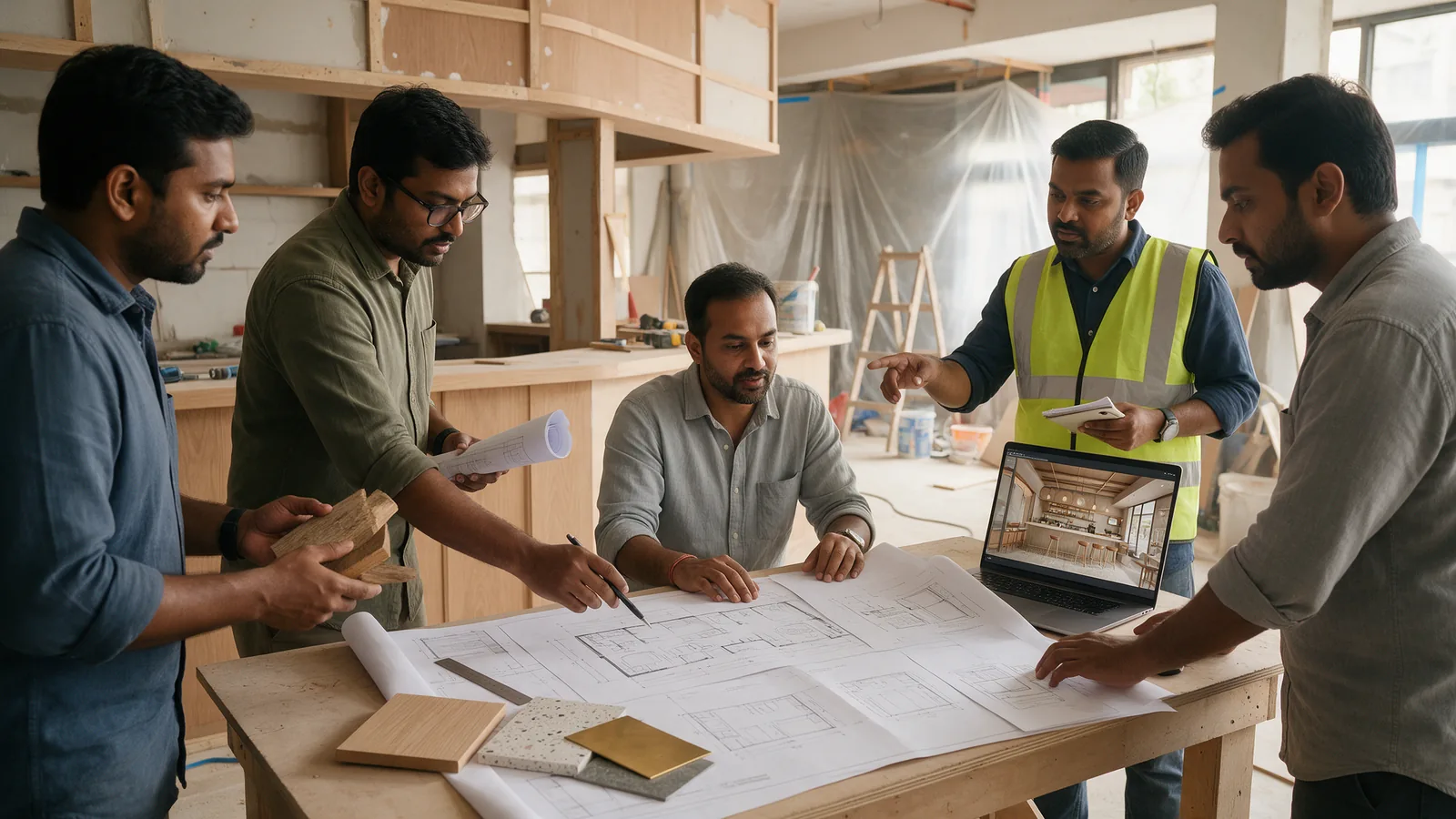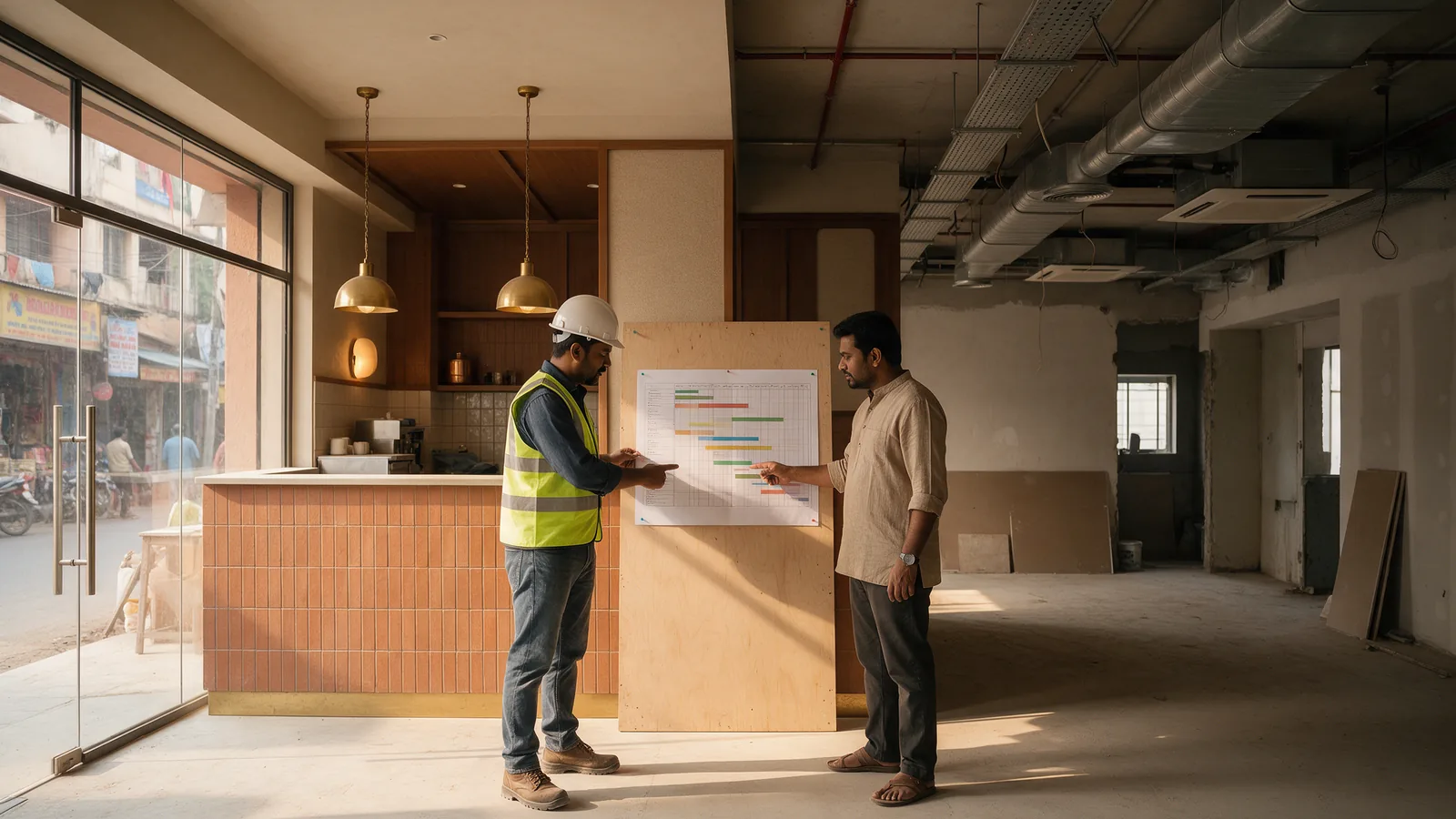
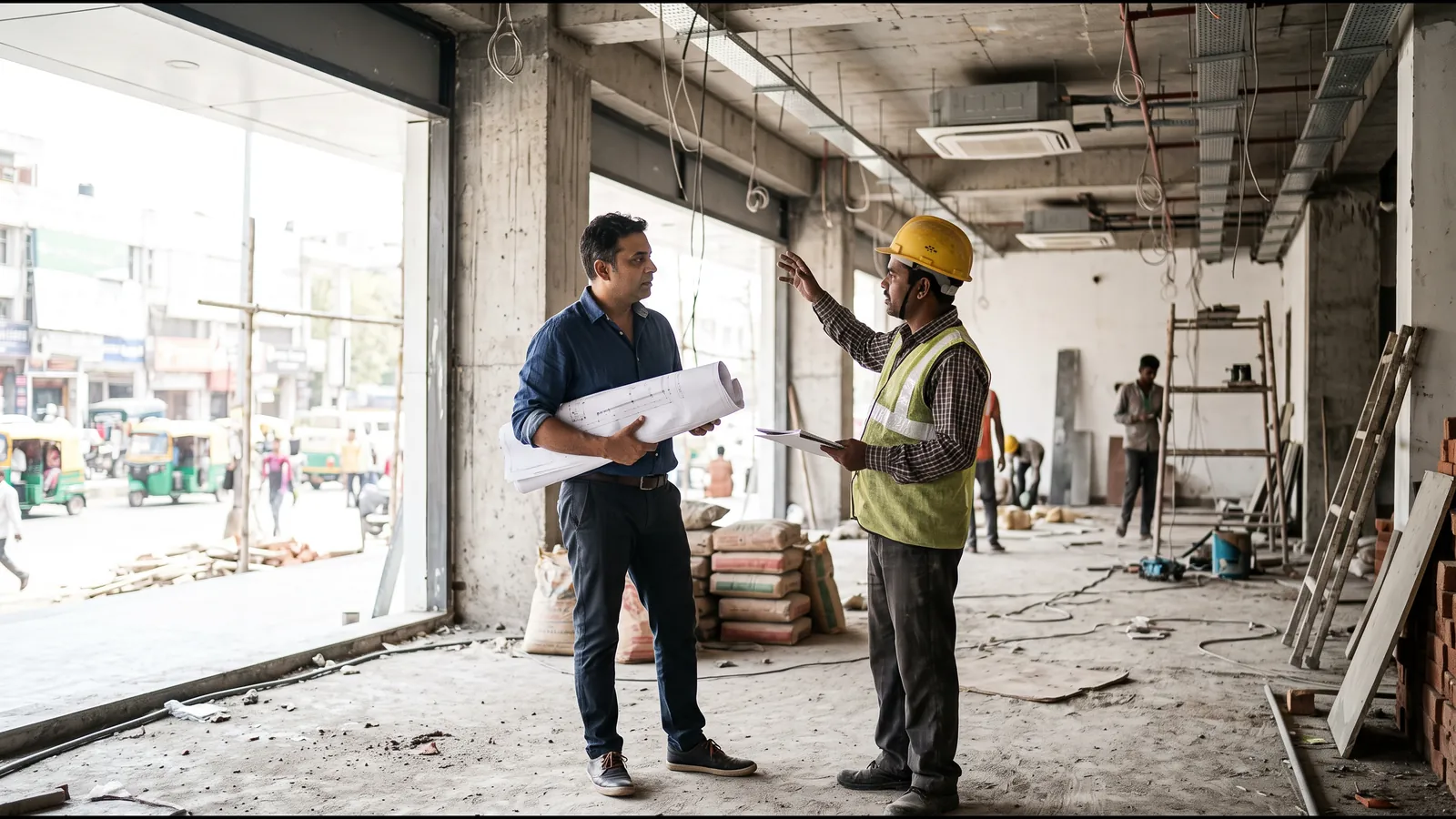
Your lease is signed and the rent date is fixed. The designer says the drawings are final. The contractor says the site does not match them. Both are waiting for you to decide, and every week the doors stay closed is another week of rent with no revenue.
Most owners start this journey by searching for a restaurant contractor. That is a sensible start, but there is a bigger decision to make first: how will you organise your restaurant construction, and who will answer when something goes wrong?
This guide compares both routes on speed, cost and design control, then gives you eight questions to ask before you sign anything.
In Short
A traditional restaurant contractor builds from drawings prepared by a separate designer. A design-build company brings design and construction together under one delivery structure. Choose a separate contractor when independent design control and competitive tendering matter most. Choose design-build when speed, coordination and one point of responsibility matter most.
What Does a Restaurant Contractor Do?
A restaurant contractor turns approved drawings into a working space. Depending on the scope, that can include civil and interior work, electrical, plumbing and air-conditioning services, finishes, and installation.
In traditional construction, also called Design-Bid-Build, you appoint the designer and contractor separately. The design is substantially developed before the construction contract is awarded.
What Is a Design-Build Company?
A design-build company brings design and construction responsibility together, through one design-builder or one coordinated delivery structure. The people pricing and building your restaurant are involved while the design is still being shaped. Read more in our guide to what design and build means.
Traditional delivery separates design and construction contracts. Design-build integrates them.
Restaurant Contractor vs Design-Build: Side-by-Side Comparison
| Factor | Design-Build | Traditional Contractor |
|---|---|---|
| Who is responsible | One integrated team or design-builder | Separate designer and contractor |
| Construction advice on the design | Earlier, while the design can still change | Often strongest after the contractor is appointed |
| Competitive quotes (tendering) | Depends on the model | Strong once the design is defined |
| Independent design oversight | Less separated | Clear, independent designer role |
| Overlapping work to save time | More opportunity | Usually one stage after another |
| Coordination load on the owner | Generally lower | Generally higher |
| Handling changes | Can be clearer within one team | May involve both designer and contractor |
| Best fit | Speed, coordination, repeat outlets | Independent design control, formal tendering |
How Traditional Restaurant Construction Works
- You appoint an architect or interior designer.
- The design and technical drawings are developed.
- Contractors price the completed or near-completed scope.
- You appoint a restaurant contractor.
- Construction begins, and site queries are worked through between the designer and contractor.
This route can work extremely well when the design is bespoke, you want independent professional oversight, and there is enough time for a more step-by-step process.
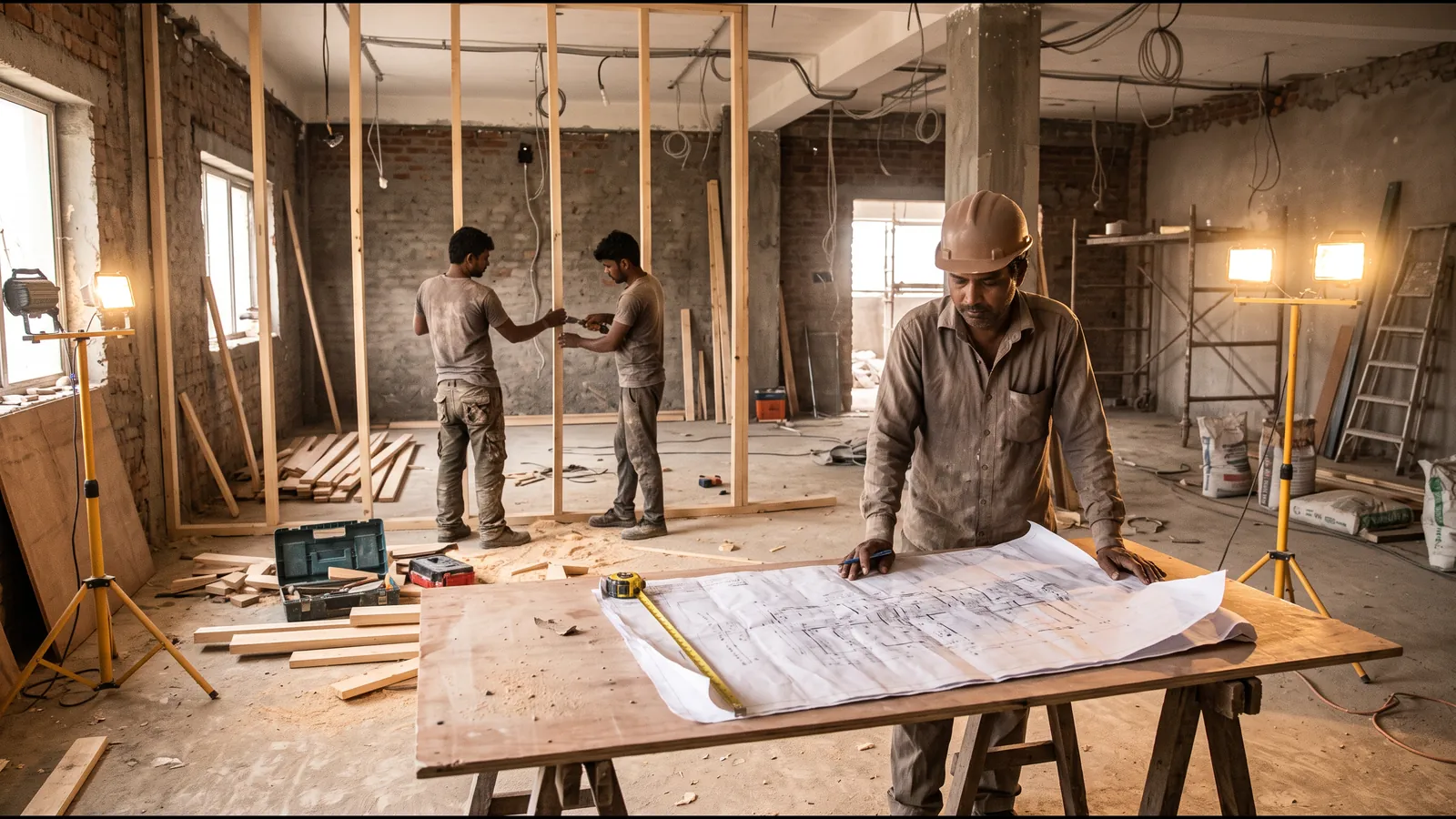
How the Design-Build Process Works
- You appoint a design-build provider.
- Design, engineering and construction advice develop together.
- Cost, procurement and manufacturing input can start earlier.
- Approved work packages are released in stages where appropriate.
- Construction and manufacturing are coordinated within the same delivery framework.
This model can reduce the gaps between teams where problems usually hide. It still needs a capable provider and a clearly written brief, so design quality is not sacrificed for speed. If you are still comparing providers, see why owners choose a restaurant design and build company.

How Long Does It Take to Build a Restaurant With Each Model?
Design-build often creates more opportunities to shorten the timeline, because engineering, procurement, manufacturing and site preparation can overlap once information is approved.
Traditional construction usually moves one stage at a time, because the contractor is often appointed after the design has advanced significantly. That can make the timeline longer, but it also gives you more time to develop a fully defined design and tender it competitively.
Neither model can overcome unresolved approvals, unavailable materials or slow decisions. For stage-by-stage planning ranges, read how long it takes to build a restaurant in India.
Restaurant Construction Cost: Which Model Gives Better Control?
Traditional construction can offer transparent competitive tendering once the scope is well defined. Design-build can offer earlier cost feedback, because the execution team is involved while design decisions are still being made.
The better model depends on what cost control means to you:
- The lowest tender price.
- Early alignment between the design and your budget.
- Fewer variations once work has started.
- Certainty about the total project cost.
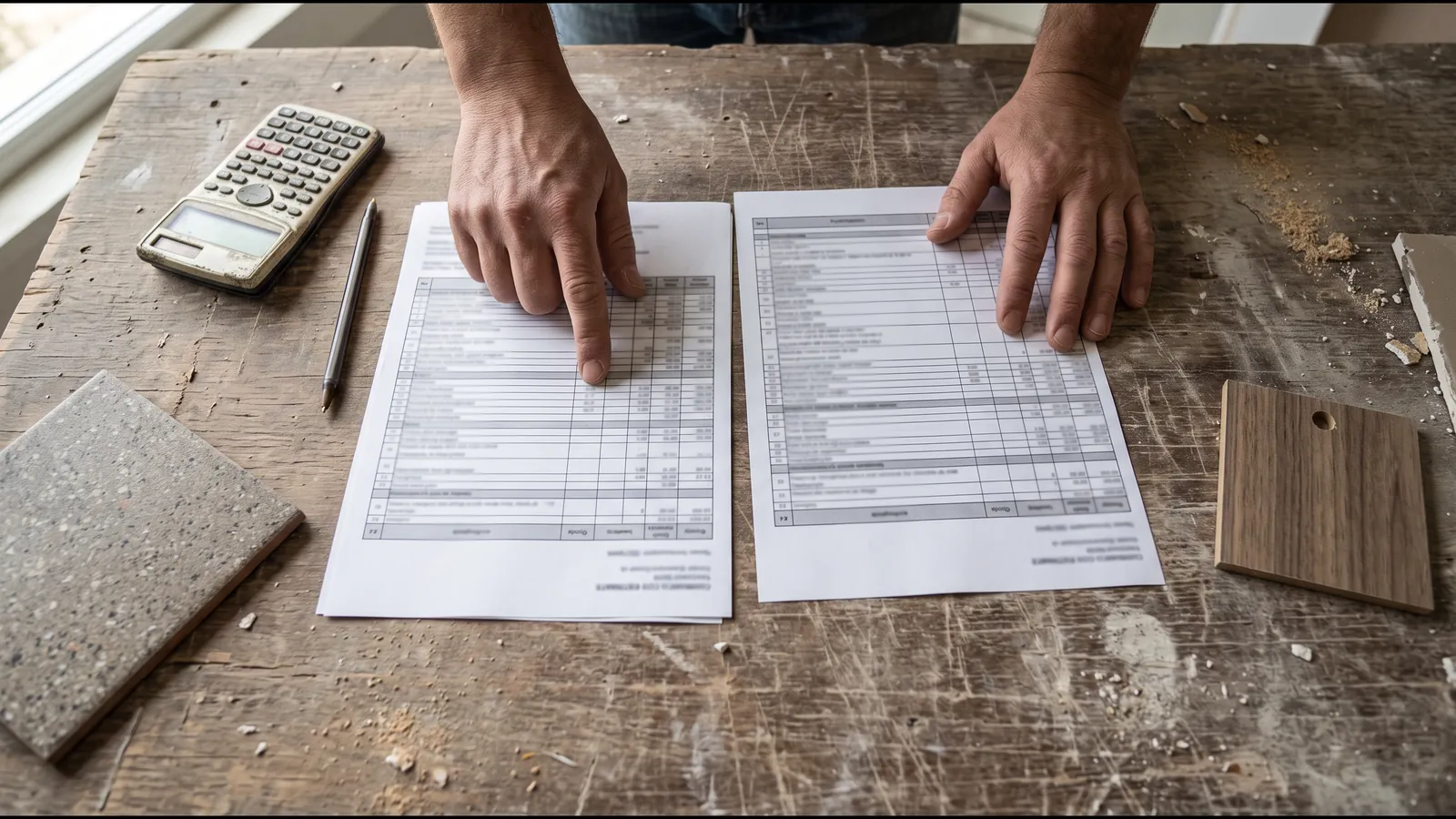
Whichever route you choose, compare quotes on the same specifications, inclusions and exclusions. A low number that leaves out key items is not a saving.
Which Model Gives You More Design Control?
Traditional delivery often gives you and your independent designer stronger separation from the contractor. That can be valuable for highly bespoke restaurants, or if you want the architect to administer the construction contract independently.
Design-build can still produce highly customised work. Because design and execution sit closer together, your design standards and approval process need to be clear from the start. Worried that faster means less considered? The answer lies in those standards, not in the delivery label.
Which Is Better for Restaurants?
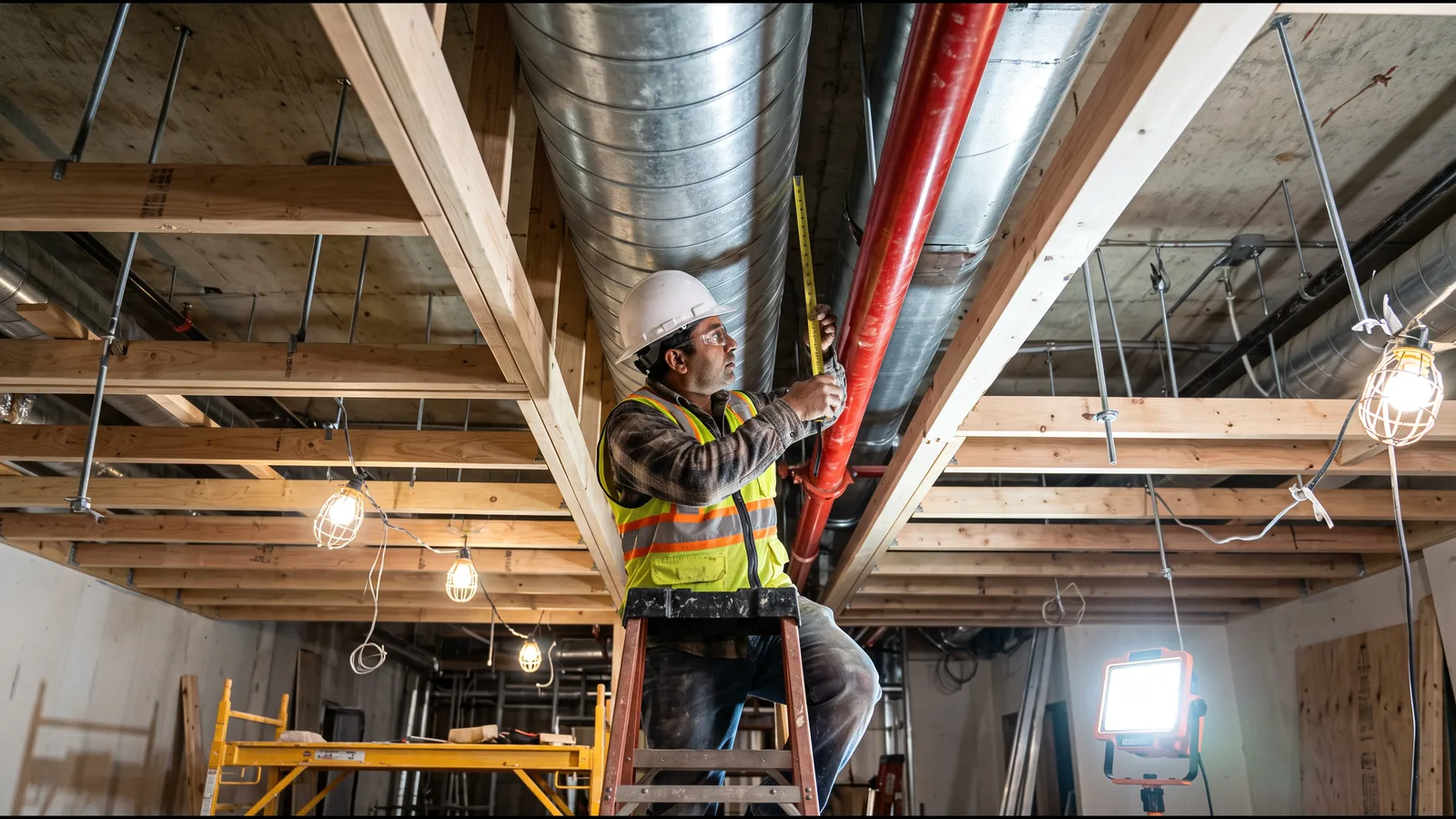
Restaurant construction is unusually coordination-heavy. Interiors interact with kitchens, exhaust, HVAC, drainage, power, fire systems, equipment, furniture and signage.
Picture a ceiling that looks right on the drawing. On site, the exhaust duct and a sprinkler line need the same space. With separate appointments, you may need the designer and contractor to agree on who resolves it and who pays. Inside one team, that clash has a better chance of being caught before work starts.
Design-build is often attractive where speed, technical coordination and repeatability are priorities. Traditional delivery may be preferable where independent design authorship, formal tendering or specialist architectural control comes first. Here is how that can play out:
- First-time restaurant owners: Without an experienced project manager, one coordinated team can reduce what you have to manage yourself.
- Restaurant chains: Design-build can carry approved standards into each new location. See how to open multiple restaurant outlets.
- Signature, one-off concepts: If a particular architect's vision defines the restaurant, traditional delivery or a carefully structured design-build arrangement can protect it.
- Owners with strong in-house project teams: Either model can work, because you already have the capacity to manage the interfaces.
Weighing up an architect specifically? Our detailed comparison of restaurant design and build vs architect + contractor goes deeper. If off-site manufacturing is part of your thinking, compare modular fit-outs with traditional construction.
Decision Matrix: Which Model Fits Your Priorities?
| If your priority is... | Consider |
|---|---|
| Single point of responsibility | Design-build |
| Earlier construction and cost input | Design-build |
| Procurement and manufacturing running in parallel | Design-build |
| Independent architect overseeing the contractor | Traditional |
| Competitive tender after full design | Traditional |
| Highly bespoke, one-off architectural process | Traditional or carefully structured design-build |
| Multi-location repeatability | Design-build |
| Strong in-house project management | Either |
8 Questions to Ask a Restaurant Contractor Before You Sign
Use this checklist with any restaurant contractor or design-build company you are considering. Clear answers lower your risk whichever route you take.
- How complete does the design need to be before pricing?
- Who is contractually responsible for design errors and coordination?
- How will changes be priced and approved?
- Will the project be competitively tendered?
- Who checks quality during construction?
- Which approvals sit with me as the owner?
- Can procurement or manufacturing begin before full site mobilisation?
- How important is independent design oversight to my brand?
Where FlatPackCo Fits
FlatPackCo's model is an integrated F&B Design-to-Build platform combining design, engineering, procurement, manufacturing and execution. That places it closest to the design-build side of this comparison, with added emphasis on off-site manufacturing and repeatable restaurant delivery.
With 25+ years of F&B expertise and 50+ brands delivered, FlatPackCo describes this approach as enabling delivery up to 50% faster than traditional methods, depending on project conditions. Its Harvest Salad & Co. project in Bengaluru went from bare shell to opening-ready in 15 days. That is not a fixed timeline for every project, and our guide on how to build a restaurant in 15 days explains what has to be in place first.
Explore FlatPackCo's Restaurant Design & Build services to see how the process works.
Frequently Asked Questions
What does a restaurant contractor do?
A restaurant contractor builds the space from drawings and specifications, usually prepared by a separate architect or interior designer. The work can include civil and interior work, services, finishes and installation, depending on the agreed scope.
What is the difference between a restaurant contractor and a design-build company?
A traditional restaurant contractor is usually appointed separately from the designer, often after the design is well developed. A design-build company brings design and construction responsibility together within one delivery structure.
Is design-build always faster?
No. It can be faster because stages may overlap, but actual speed depends on approvals, site conditions, procurement and decisions.
Is hiring a traditional contractor cheaper?
Not necessarily. Competitive tendering can help establish market pricing, while design-build can reduce redesign and rework between teams. Total cost depends on scope and management.
How long does it take to build a restaurant in India?
There is no universal duration. It depends on the size of the restaurant, its design, approvals and site conditions. As a planning range, interior and civil execution alone often takes 3 to 8 weeks, with design, procurement, approvals and handover around it.
Which model is better for restaurant chains?
Design-build can be particularly useful for chains because design, technical and manufacturing standards can be carried into future locations.
Does design-build reduce design quality?
It should not. Quality depends on the provider, brief, review process and standards. A weak design-build process can compromise design just as a weak traditional process can.
Can I still approve design decisions in design-build?
Yes. You should have clear design-approval milestones even when design and construction sit within one team.
The Takeaway: Choose the Model, Then the Team
Design-build is strongest when integration, speed and control over the gaps between teams matter. Traditional construction is strongest when independent design oversight and competitive tendering matter. The right answer is the model that matches your priorities, not the model with the best marketing label.
Planning a Café, Restaurant or New Outlet?
Talk to FlatPackCo about your project, and bring your site details and the questions above.
Talk to FlatPackCo