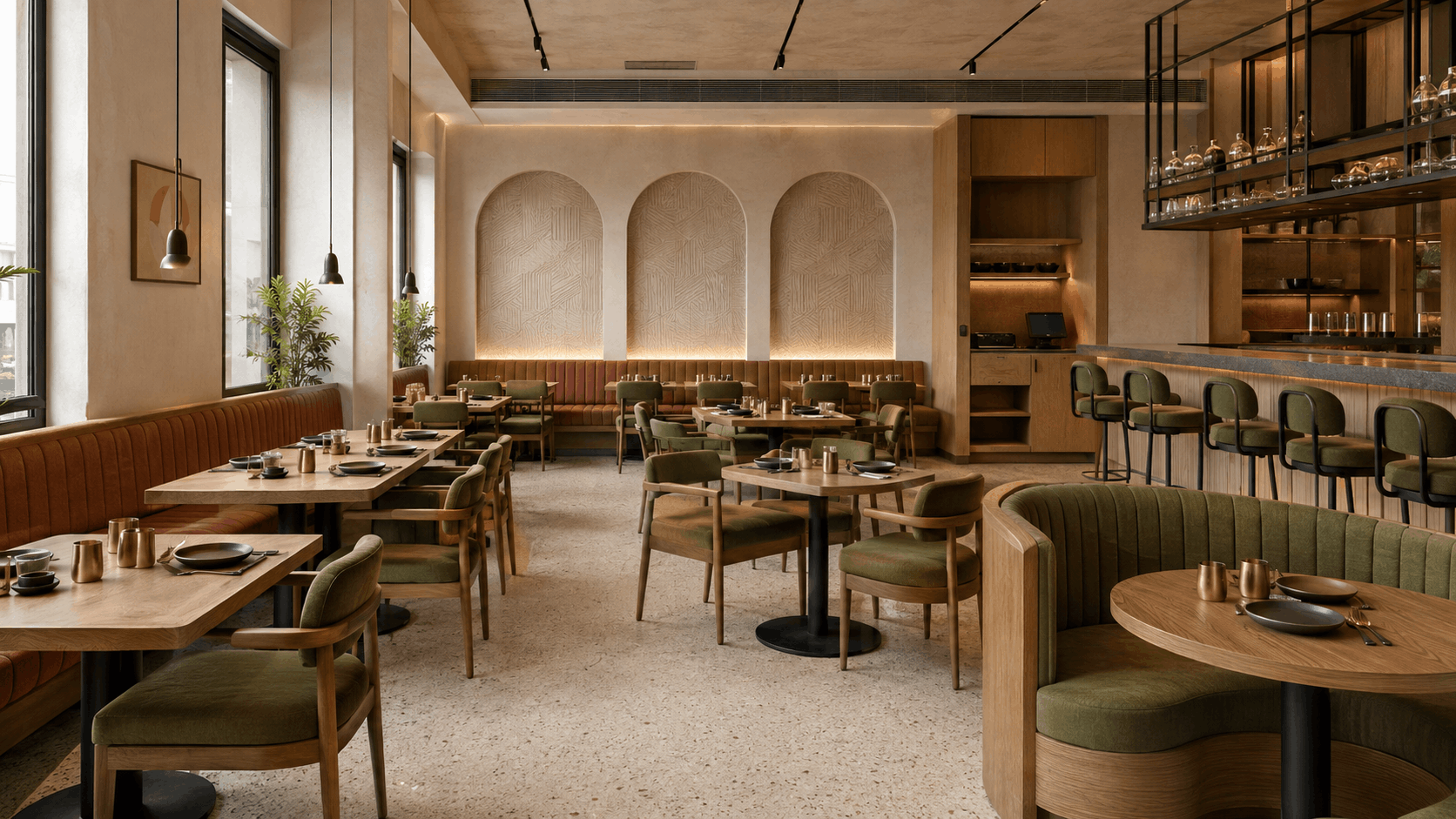
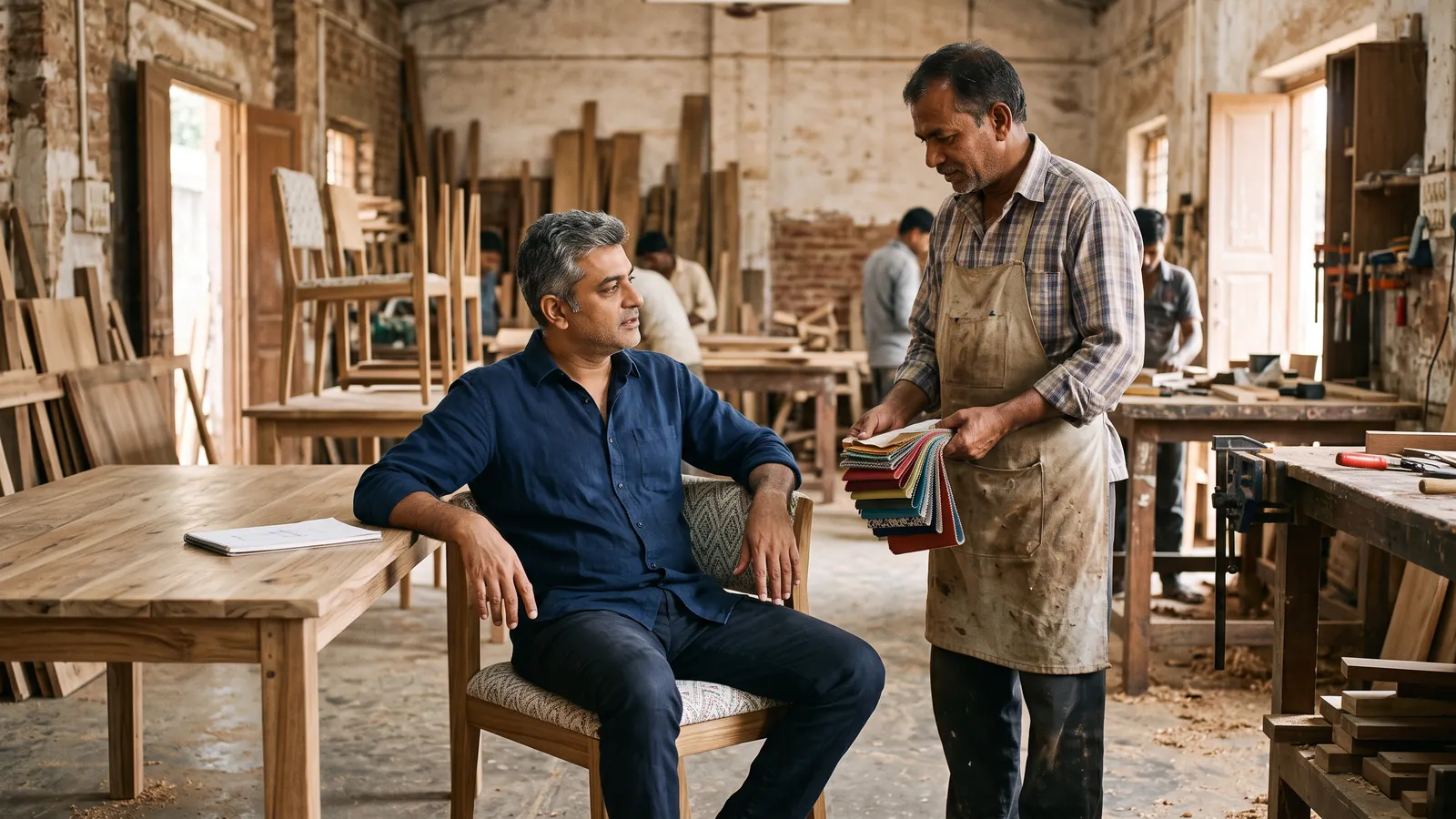
Buy restaurant furniture as commercial equipment, not as residential décor.
1. Start With the Operating Format
Furniture should match how guests use the space.
| Format | Buying Priority |
|---|---|
| QSR | Durability, easy cleaning, compact footprint, fast turnover |
| Café | Comfort, flexible layouts, power-friendly seating, mix of dwell times |
| Casual dining | Balanced comfort, capacity, maintainability |
| Fine dining | Comfort, proportion, detailing, premium finish |
| Bar | Stability, stool ergonomics, spill resistance, high-use durability |
| Food court / kiosk | Compact footprint, easy maintenance, repeatability |
2. Build a Furniture Schedule Before Buying
A furniture schedule should list each item, quantity, dimensions, material, finish, upholstery, location and supplier status.
- Dining chairs
- Tables / table tops / bases
- Bar stools
- Banquettes / booths
- Restaurant sofas
- Community tables
- Waiting furniture
- Outdoor furniture where applicable
Buying from photographs without a schedule makes quantity, size and finish errors more likely.
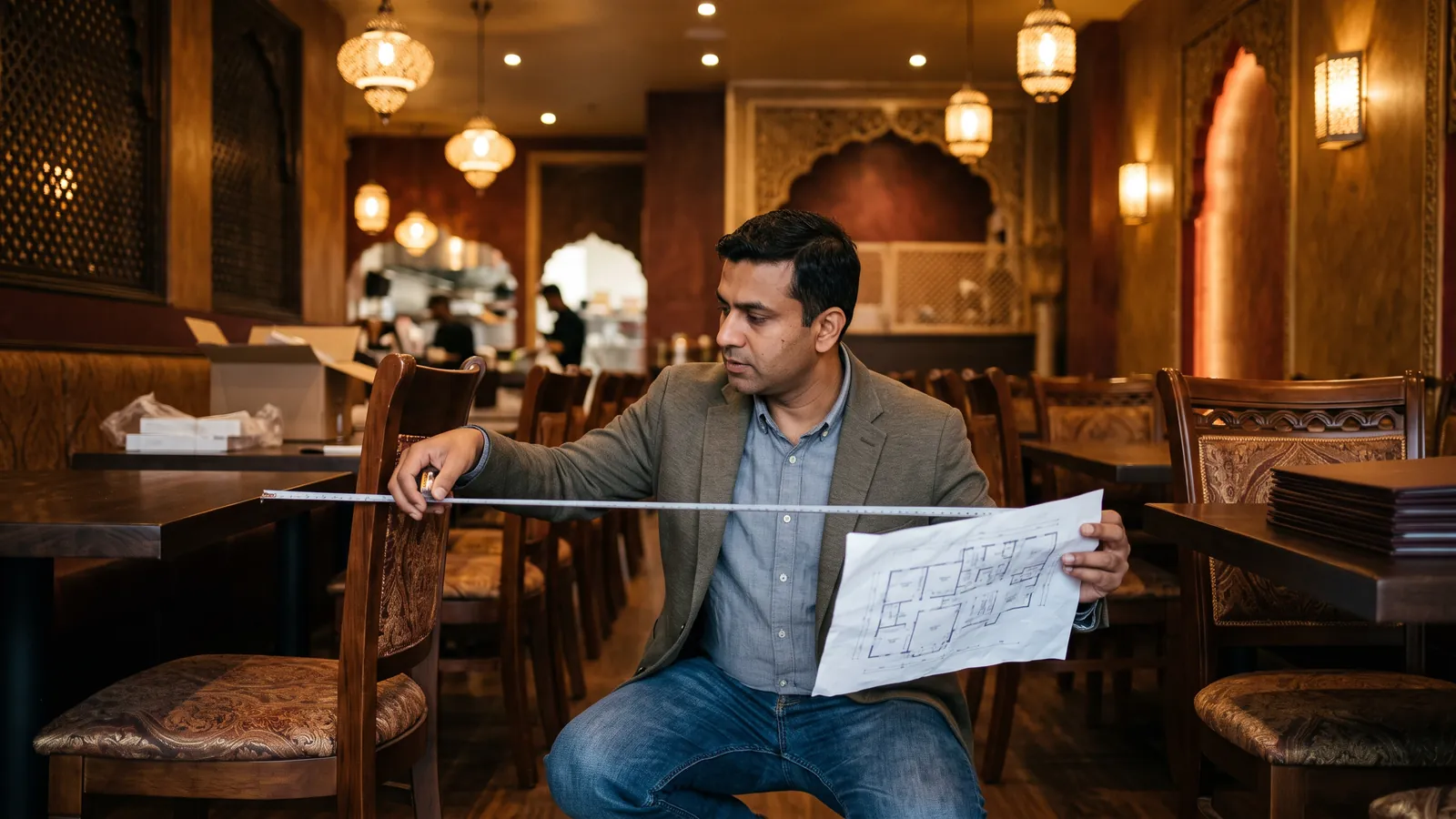
3. Check Dimensions Against the Layout
Furniture that looks good individually may fail once repeated across the floor plan.
4. Choose Commercial-Grade Construction
Restaurant furniture experiences more cycles of use than residential furniture. Construction should be appropriate for commercial rigour.
- Stable frames and joints
- Replaceable glides or feet
- Durable table edges
- Appropriate foam density for upholstered seating
- Commercial upholstery
- Moisture- and cleaning-resistant finishes
- Serviceable hardware where possible
5. Understand the Material Trade-Offs
| Material | Strength | Watch For |
|---|---|---|
| Solid timber | Warm, repairable, premium | Movement, moisture, finish maintenance |
| Plywood / engineered board | Stable, efficient for joinery | Edge protection, grade, moisture exposure |
| Steel | Strong, slim profiles, repeatable | Weld quality, corrosion protection, floor protection |
| Upholstery fabric | Comfort and brand expression | Stain resistance, abrasion, cleaning |
| Vinyl / leather-effect | Easy cleaning | Heat, cracking, quality differences |
| Stone / solid surface tops | Premium and durable | Weight, edge damage, base stability |
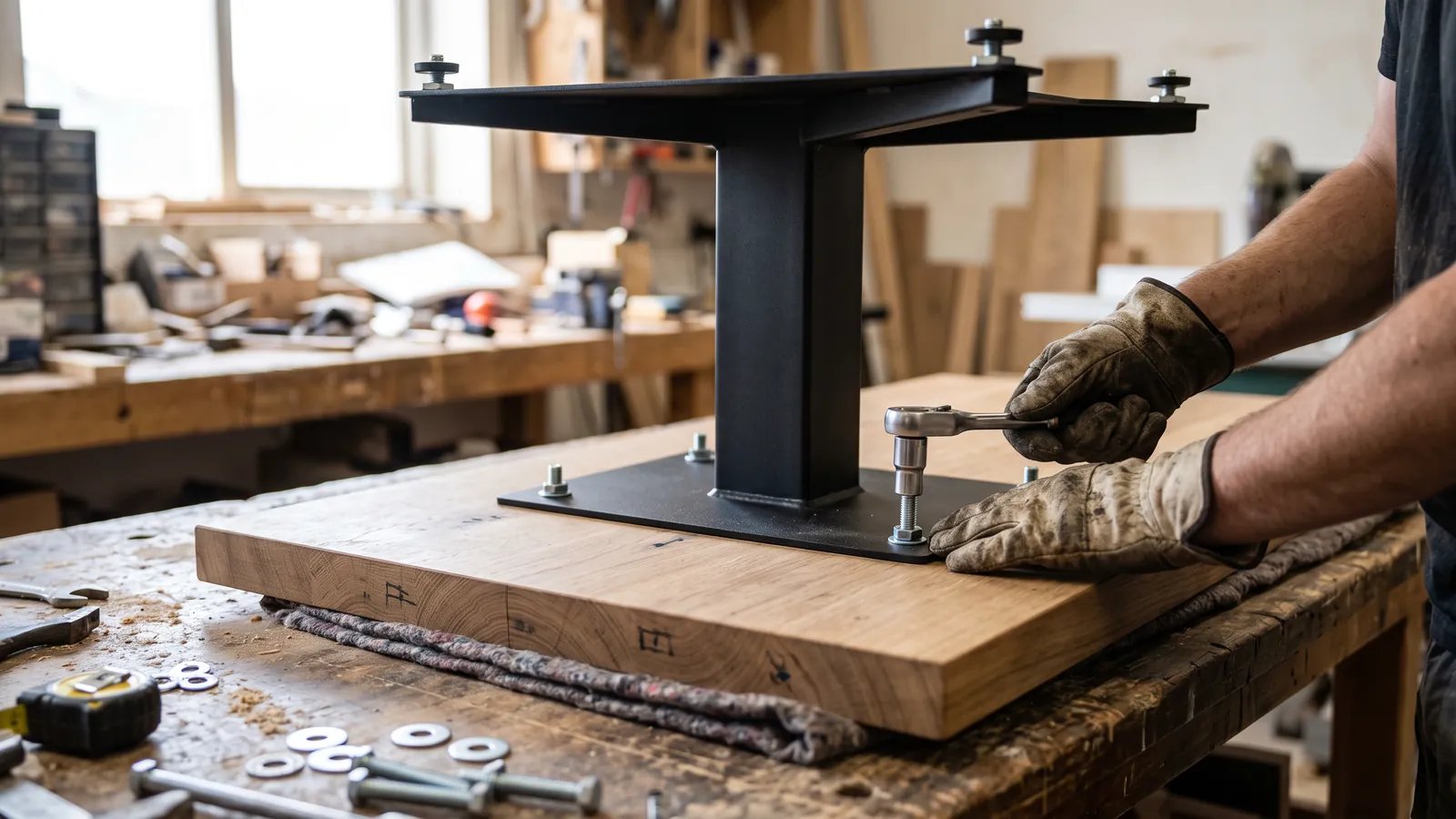
6. Tables: Buy the Top and Base as a System
A table is only as stable as the relationship between the top, base and floor.
7. Chairs: Test More Than Appearance
A chair should be evaluated for comfort, stability, width, weight, stackability if required and ease of cleaning.
For high-volume outlets, the cost of a chair that loosens, chips or becomes uncomfortable can be higher than the initial saving from buying the cheapest option.
8. Booth and Banquette Seating
Fixed seating can improve space efficiency and create a stronger visual identity, but it needs careful coordination with wall dimensions, table positions, upholstery and services.
9. Upholstery Buying Checklist
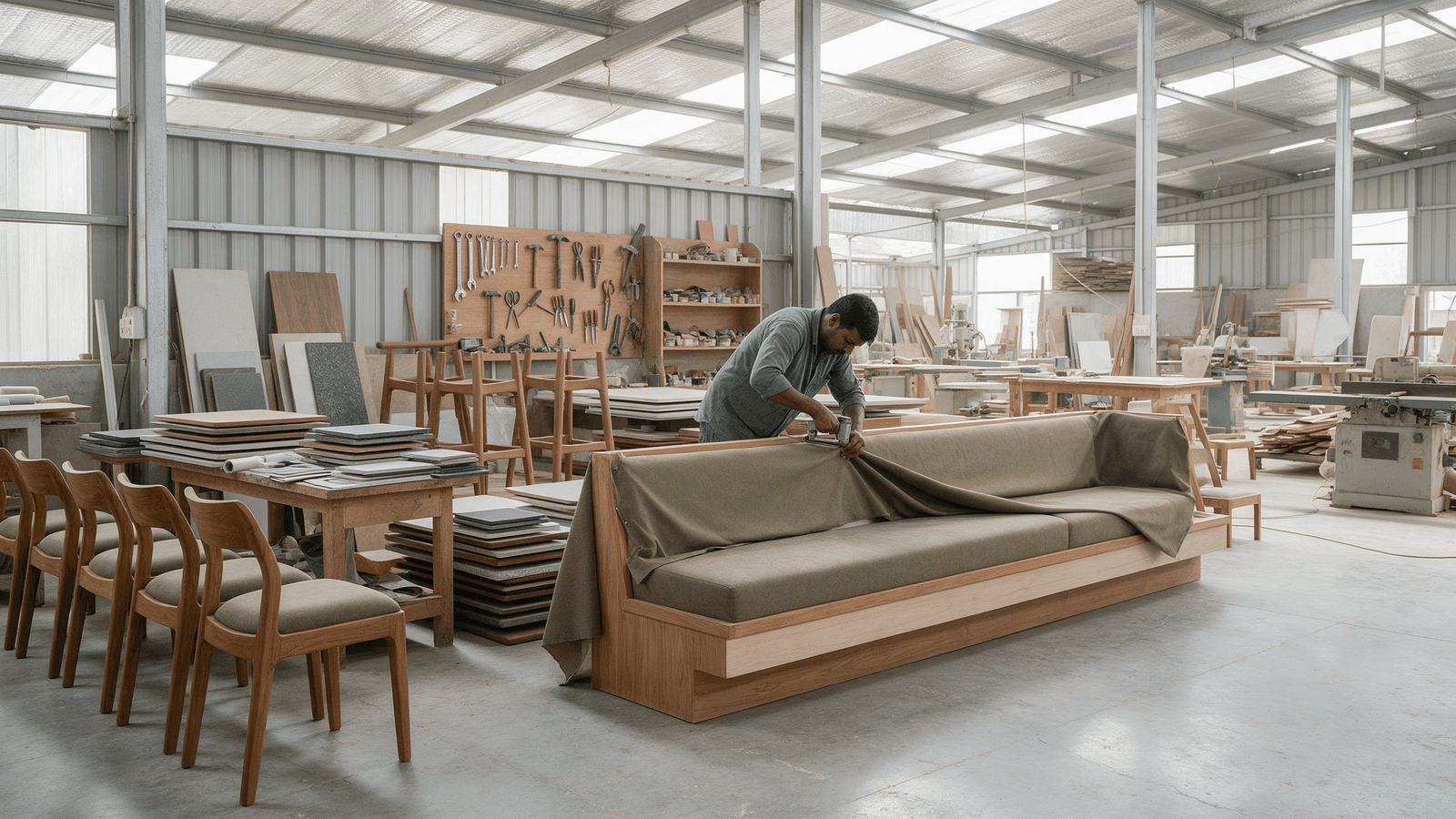
10. Ask for a Prototype or Benchmark
For custom or multi-location projects, approve one benchmark item before full production where practical.
A benchmark can confirm dimensions, comfort, colour, finish, upholstery, stitching, hardware and workmanship before the full quantity is manufactured.
11. Lead Time and Production Planning
Furniture should be released for production only after drawings, materials, finishes and final quantities are approved.
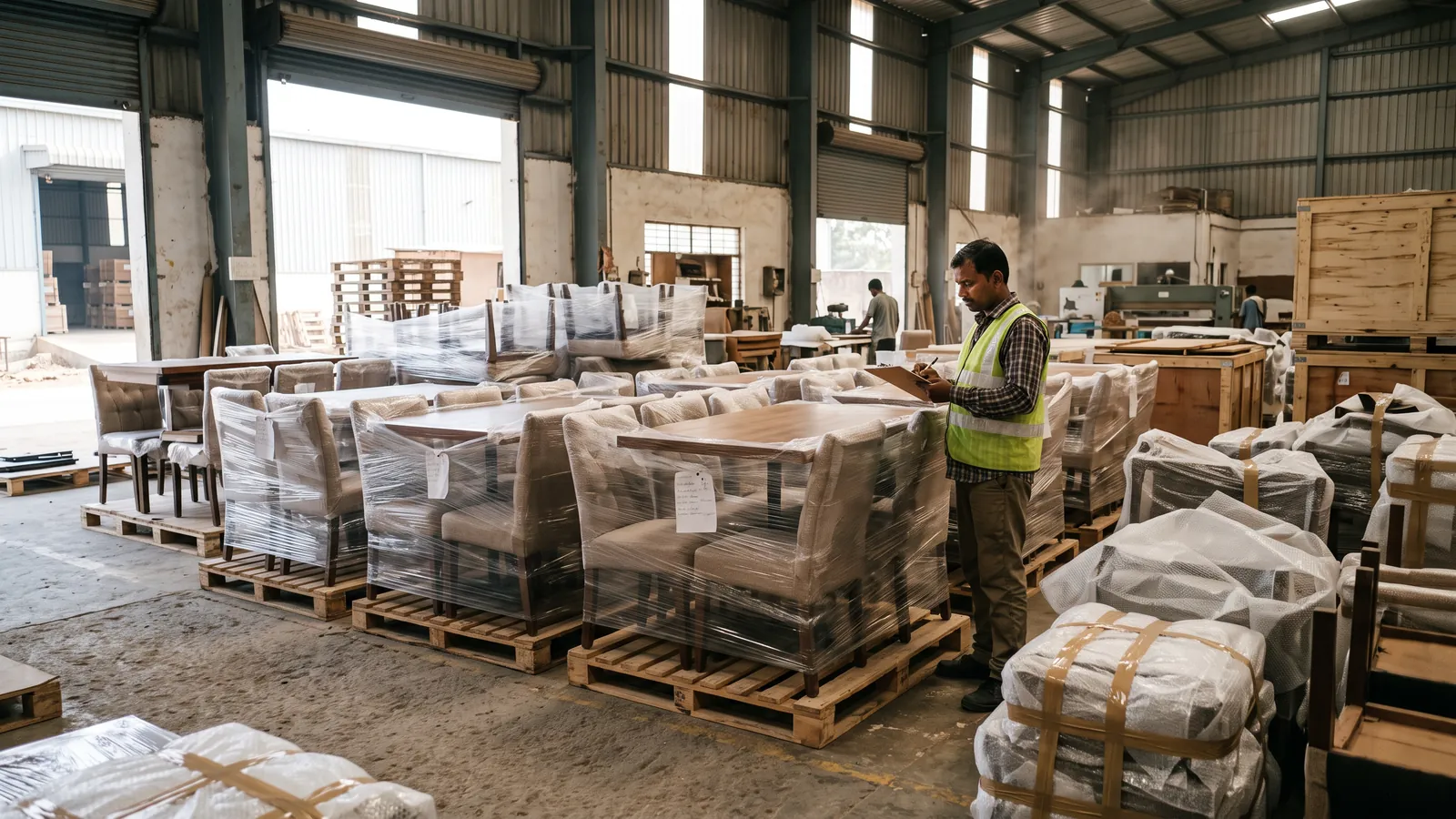
Custom restaurant furniture requires time for material procurement, fabrication, upholstery, finishing, quality checks, packaging and transport.
Actual lead time depends on the quantity, material, design complexity, customisation and project location. The required production programme should therefore be confirmed for each project before placing the order.
12. Buying for Multiple Outlets
Chains should identify which furniture elements can become repeatable standards and which should adapt to the site.
- Standard chair family
- Standard table construction
- Approved upholstery palette
- Banquette construction details
- Approved finishes
- Replacement-part specification
- Packaging and logistics standard
The goal is not necessarily to buy every outlet's furniture at once. It is to make future purchasing decisions faster and more consistent.
13. Supplier Questions Before You Order
14. Common Furniture Buying Mistakes
- Buying before the layout is frozen
- Choosing residential furniture for commercial use
- Ignoring chair width and table clearance
- Specifying light-coloured upholstery without a cleaning strategy
- Buying table tops and bases separately without stability checks
- Skipping prototypes for large custom orders
- Not planning replacement stock or future availability
- Ordering too late for the opening programme
15. How FlatPackCo Fits Into Furniture Procurement
FlatPackCo manufactures restaurant furniture at its factory in Wada, including dining chairs, booth seating, restaurant sofas, tables and bar stools, with custom dimensions, upholstery options and assembly. Furniture can be bought on its own or as part of a complete fit-out. Its broader Design-to-Build model allows furniture dimensions and finishes to be coordinated with the restaurant layout, counters and interior design rather than treated as an isolated purchase.
For project-specific buying, the schedule, quantity, materials and installation conditions should still be confirmed before production.
Frequently Asked Questions
What furniture does a restaurant need?
Typical packages include dining chairs, tables, stools, booth or banquette seating, sofas, community tables and waiting furniture, depending on the format.
What makes restaurant furniture commercial grade?
Commercial furniture is designed for frequent use, cleaning and maintenance, with appropriate frame construction, finishes, upholstery and hardware.
Should I buy furniture before finalising the layout?
No. Final quantities and dimensions should be checked against the approved layout and circulation.
Are booths better than loose chairs?
Neither is universally better. Booths can improve space efficiency and identity, while loose furniture provides flexibility. Many restaurants use a mix.
How do I choose restaurant upholstery?
Consider abrasion, stain cleaning, colour, feel, maintenance, replacement availability and any applicable fire-performance requirements.
Should I approve a furniture prototype?
For custom or repeat orders, a prototype or benchmark is valuable because it confirms comfort, dimensions, finish and workmanship before full production.
How long does custom restaurant furniture take?
Lead time depends on quantity, materials and customisation. FlatPackCo's dine-in furniture typically takes 10–21 days, but confirm the lead time for each project.
What should restaurant chains standardise in furniture?
Chair families, table construction, banquette details, finishes, upholstery palettes and replacement specifications are useful candidates for standardisation.
Final Takeaway
Good restaurant furniture buying starts with the layout and operating model, not the catalogue. Specify dimensions, construction, materials, finish and maintenance requirements before placing the order, then use samples or benchmarks to confirm quality before full production.
For help choosing styles, materials and layouts, see our restaurant furniture guide, or explore FlatPackCo dine-in furniture.